Walk into any busy bread kitchen, alcoholic drink bar, or weekend home brunch, and you will see the very same small steel cylinders scattered near the sink: cream chargers. They look trivial, virtually like large bullets, however these little capsules drive contemporary whipped cream culture. The question that maintains coming up, particularly amongst specialists who undergo cases monthly, is whether recyclable cream chargers meaningfully lower waste and if they're worth the cost and effort. I've used countless chargers throughout dining establishments, pop-ups, and R&D benches, and I've trialed most of the greener choices on the market. Right here is the straight take.
What cream chargers in fact are
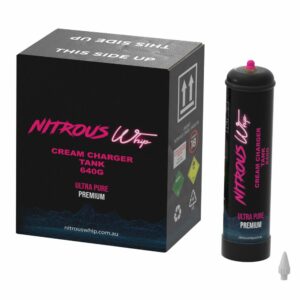
A cream charger is a secured steel cartridge filled with laughing gas. When you screw it right into a suitable dispenser, the pin pierces the cartridge, the gas liquifies into the cream, and the pressure provides you that quick, steady foam. In pastry, they conserve time. In bars, they create mousse-like go to drinks, infuse aromatics into spirits, and maintain foams that hold for service. A basic 8 gram battery charger is single-use, which is the heart of the sustainability discussion. You use one, perhaps 2 per half-liter siphon, then throw the empty covering.
The terms you see are typically interchangeable. Whipped cream chargers, N2O cream chargers, Laughing gas cream chargers, cream chargers. Very same format, minor distinctions in gas purity and manufacturing surface. Perfectionists look for gas pureness and oil residue because that turns up as off flavors in delicate prep work. In bread competitors, the difference in between 99.95 percent and 99.99 percent purity is not theoretical.
Why the environmental concern is not trivial
The shell is steel. Steel is extremely recyclable. The catch is habits, not chemistry. Lots of drivers throw clears into general waste due to the fact that they look like pressurized canisters and they do not understand whether centers approve them. Personnel turn over substances the problem. A solitary mid-sized dining establishment will certainly shed through 100 to 400 chargers a week during busy period. That's a tiny hill of steel in a year.
Then there is the gas. Laughing gas is a greenhouse gas with a global warming possible far higher than carbon dioxide. A lot of that impact arises at release due to the fact that the gas in a single battery charger ends up in the atmosphere at some point, whipped right into the cream and distributed. There is no catching it after service. You can alleviate the steel waste. You can not make N2O not be N2O. That establishes realistic expectations.
So the inquiry becomes narrower and more functional: can we at least make responsible decisions about the hardware we manage, and do those choices pay their way?
What "recyclable" suggests in practice
Manufacturers advertise recyclable chargers, which usually implies a few points. First, the shell is plain steel without plastic collars or finishings, so a metropolitan scrap stream can approve it. Second, lots of consist of a small venting notch or recommend penetrating the invested pill prior to throwing it right into metal recycling, simply to reveal it's depressurized. Third, some brands run take-back or mail-in programs that consolidate coverings for mass recycling.
The difference between a recyclable charger and a battery charger that actually obtains recycled depend on logistics. A bar with a clear, labeled collection bucket beside the dish machine will divert nearly all coverings to recycling. A coffee shop without a system will miss fifty percent. When I introduced a straightforward regimen at a 40-seat bistro, we went from sending nearly every shell to garbage dump to reusing over 90 percent of them. The trick was a committed bin, a staff huddle describing that spent shells are secure as soon as pierced, and a quick once a week drop in the scrap steel tote.
It is additionally worth noting that the steel in these coverings is generally rather tidy. Scrap lawns like it. Metropolitan programs vary. If your hauler turns down pressurized containers, make certain team pierce the invested end with a nail strike or location the coverings in a program that explicitly accepts them. The visual sign issues to sorters.
The expense calculus cooks in fact face
If you purchase by the situation, you recognize the spread. Deal chargers may set you back a couple of cents much less per https://griffinziht375.timeforchangecounselling.com/best-cream-chargers-of-this-year-a-purchaser-s-guide-for-sugary-food-success unit than costs recyclable alternatives. On a limited food price, those cents build up. That said, the real math includes waste hauling and labor. When steel recycling is already part of your operation, including lotion battery charger coverings barely modifications anything, and the environmental benefit is very easy to warrant. When you rely upon personal haulers that charge by weight, the influence flips. Steel is hefty. If the recycler pays or takes it free, great. Otherwise, you're considering a neutral or somewhat higher logistic cost.
There is additionally the quality dimension. In my experience, reputable brands that highlight recyclability often tend to preserve better gas purity, cleaner internal liners, and tighter QC on leak seals. That displays in the lotion. A sandy hiss, odd metal tastes, or irregular whipping stress normally come from bad production, not from the reality of recyclability. If the recyclable battery charger is also the better charger, the expense costs acquires you less failed siphons and better item stability. That matters to any person doing delicate foams or to-go treats that sit 20 mins prior to service.
If you run numbers across a month, the difference between a bottom-tier covering and a mid-tier recyclable one may range from a few bucks to a couple hundred, depending on quantity. If you push 3,000 to 5,000 battery chargers monthly, you must be calling the provider for bulk rates anyway. The bigger the buy, the narrower the per-unit gap.
Refillable systems: pledge and headaches
Every sustainability discussion around whipped cream chargers at some point encounters refillable systems. Theoretically, a refillable N2O cyndrical tube feeding a siphon using a controlled adapter gets rid of most single-use coverings. In technique, the market is fragmented. Food-grade nitrous refills, regulator compatibility, and safety and security qualifications vary by region. Where certified, refillable cyndrical tubes cut the metal waste drastically. You refill the larger cyndrical tube occasionally, like a tiny soda CO2 tank, after that make use of an application regulator to charge the siphon. The downsides are nontrivial: you need training, a clear SOP, checked fittings, and insurance policy sign-off.
I have seen refillables work well in large pastry labs and mixed drink bars with a disciplined, technically likely team. I have also seen them prohibited by owners that do not like the danger account and the upfront financial investment. If you're not all set to cope with regulatory authorities, periodic evaluations, and strict chain-of-custody for gas purity, stick to single-use yet reuse diligently.
Gas pureness and performance are part of sustainability
Waste is not only about metal. If a charger breaks seal erratically or infects cream with off-flavors, that set gets tossed. That's food waste, labor waste, and solution hold-ups. The very best N2O cream chargers supply consistent stress and extremely low trace oils. Good coverings lower foam collapse and assistance milk whip to come to a head in 20 to 30 seconds with marginal frustration. They likewise help plant-based creams that can be fussier under pressure.
Performance intersects with safety. Overcharging a siphon to compensate for weak gas is a negative habit. It stresses gaskets, brings about fractured heads, and has actually wounded greater than a few people. I choose chargers that meet published requirements for capacity and that come in tamper-evident product packaging. If a provider can't document gas purity and batch testing, I do not put their cartridges on my line.
The weird edge situation: cooking vs entertainment misuse
Any conversation concerning laughing gas needs to note the elephant in the room. Chargers are sometimes diverted for recreational usage. In areas where that becomes a public problem, retailers face restrictions and added documentation. From a sustainability angle, misuse enhances litter and threatens reusing efforts because shells show up on roads and parks, far from appropriate containers. If your service operates in a city impacted by this, work with your waste hauler to establish a closed-loop collection, keep your stock protected, and consider brand names that provide bulk packaging with tamper-resistant functions. It is not extravagant, yet it is practical.
Lifecycle thinking without the fluff
The steel footprint is just component of the lifecycle. Take into consideration manufacturing power, transportation, and end-of-life. A hefty, single-use steel capsule made overseas and shipped by container after that by vehicle still stands up reasonably well in lifecycle analyses since steel reuses effectively, and the mass each is tiny. You lower influence even more by purchasing battery chargers made closer to home, consolidating deliveries, and properly recycling every spent covering.
Transport adds less than lots of people assume, especially if your distributor currently runs a path that hands over other products. If you ask them to grab your combined shells for recycling on the return leg, you might close a loop with virtually no extra emissions.
People often ask for a basic number. There isn't one, yet the direction is clear: divert metal to recycling, choose documented high-purity gas, and educate your personnel so foam yields correspond. The ecological and functional wins stack.
What to look for when you shop
Labels like "recyclable" vary in substance. A couple of brands do the bare minimum. The far better ones specify the alloy, validate that the coverings are uncoated steel, and consist of advice for risk-free venting. Some release third-party screening for gas purity. Accreditation differences by region make apples-to-apples hard, but you can still vet suppliers by asking for a product data sheet, a safety and security information sheet, and a reusing statement. If they evade those requests, action on.

Anecdotally, when we switched over to a brand name that highlighted recyclability and recorded 99.95 percent purity, the pastry group reported a lot more stable chantilly, fewer obstructions at the nozzle, and much less variant between the initial and last dispense from a charged siphon. That is not a regulated test, however it associate what I have actually seen across sites.
Managing the back-of-house reality
Recycling programs fall short for ordinary reasons. Bins roam. Tags discolor. New personnel never ever obtain the two-minute talk about what qualifies. Solve for the apparent. Make a devoted, plainly identified steel container near the dispenser cleaning station. Post a straightforward instruction: pierce, trendy, toss in steel bin. Do not overcomplicate it with a clipboard or token system. When the bin fills, it goes into your steel reusing stream with sheet pans and old whisks.
Train on the dangers you in fact encounter. A spent charger is safe when aired vent and amazing. Hot water plus a lately used shell can scorch fingers. The siphon head is the larger danger. Never open a siphon under pressure. Change gaskets on a schedule. Wash cream residue quickly so valves do not take and require additional gas to compensate later.
For bars, the discipline looks comparable. Link the battery charger workflow to mise en area. If your alcoholic drink program makes use of one container for coconut foam and an additional for bitters-laced meringue, tag the siphons and the chargers kept nearby. Over time, the routine keeps waste reduced and results consistent.
The choices people bring up
CO2 does not alternative to laughing gas in lotion billing. It acidifies and yields sour, loosened foam. It helps seltzer and certain batters, not for dairy-based whipping. Vegetable-based stabilizers integrated with air whipping can achieve good tops without gas, and several pastry shops do it for prep batches. But the holding quality under thrill problems drops compared to N2O-based foams.
Electric kitchen counter whippers exist, some with mini-cylinders or inner compressors. They are appealing for home chefs and some cafes. In professional setups, capability and maintenance issues restrict their adoption. If you run a tiny coffee shop and just require a mild whipped topping for 20 drinks an hour, examination one. If you are sending 120 coffees and 40 treats in a solution, it will not keep up.
Are recyclable cream chargers worth it?
For most operations that depend on single-use battery chargers, yes. They are worth it, provided you place a minimal system in position to really reuse them. The premium, where it exists, purchases much better QC alongside the environmental advantage. In the broader photo, this is not a silver bullet. You are still using laughing gas, and that lugs an environment price. If you can embrace a risk-free refillable system with confirmed food-grade gas and correct training, your steel waste goes down near zero. If that is not viable, deal with recyclable coverings as your default and back it with a real collection and training plan.
My threshold is simple. If a brand can not tell me where the coverings are made, what the gas pureness is, and just how to recycle them, I do not equip it. If they can, and their shells do consistently in solution, I am comfortable paying a bit a lot more. That tiny added per dessert or beverage is unseen to guests yet meaningful in aggregate.
Real-world purchasing and arrangement tips
- Choose a brand name that documents gas pureness and offers recycling advice, after that acquire by the instance for rate stability and batch consistency. Place a classified steel container at the cleaning station, train personnel to pierce and great spent coverings, and include the container in your existing metal recycling stream. Track charger use for a week. If you exceed a couple of thousand units per month, check out refillable systems with your insurance company and supplier, and request a site demo. Standardize recipes to minimize waste. A clear proportion of lotion to gas per siphon reduces overcharging and ditched product. Audit quarterly. If greater than a handful of shells wind up generally trash, take care of the operations place or signage.
Those five steps cover 90 percent of the gains without touching your menu.
The bottom line for pros and major home cooks
For professionals, recyclable whipped cream chargers are a straightforward push towards much better practice. You regulate what takes place to the steel, you maintain item top quality high, and you send out a signal to suppliers that environmental claims need to connect to real style selections, not simply advertising and marketing. For home chefs who make use of a loads chargers a month, toss the empties right into curbside metal reusing if your program allows it, or drop them at a scrap lawn with your household steels. It takes almost no additional time.

None of this replaces judgment. If your procedure hardly utilizes N2O, the interest belongs somewhere else. If you are leaning on cream chargers for each preparation and garnish, the footprint is real. Aim for less, better, and recycled. That is a defensible placement, and it keeps your foams lavish, your staff safe, and your conscience a little lighter.